
Structured onboarding. Real visibility.
Reduce onboarding time and bring structure to every role with clear progress tracking and documented compliance.
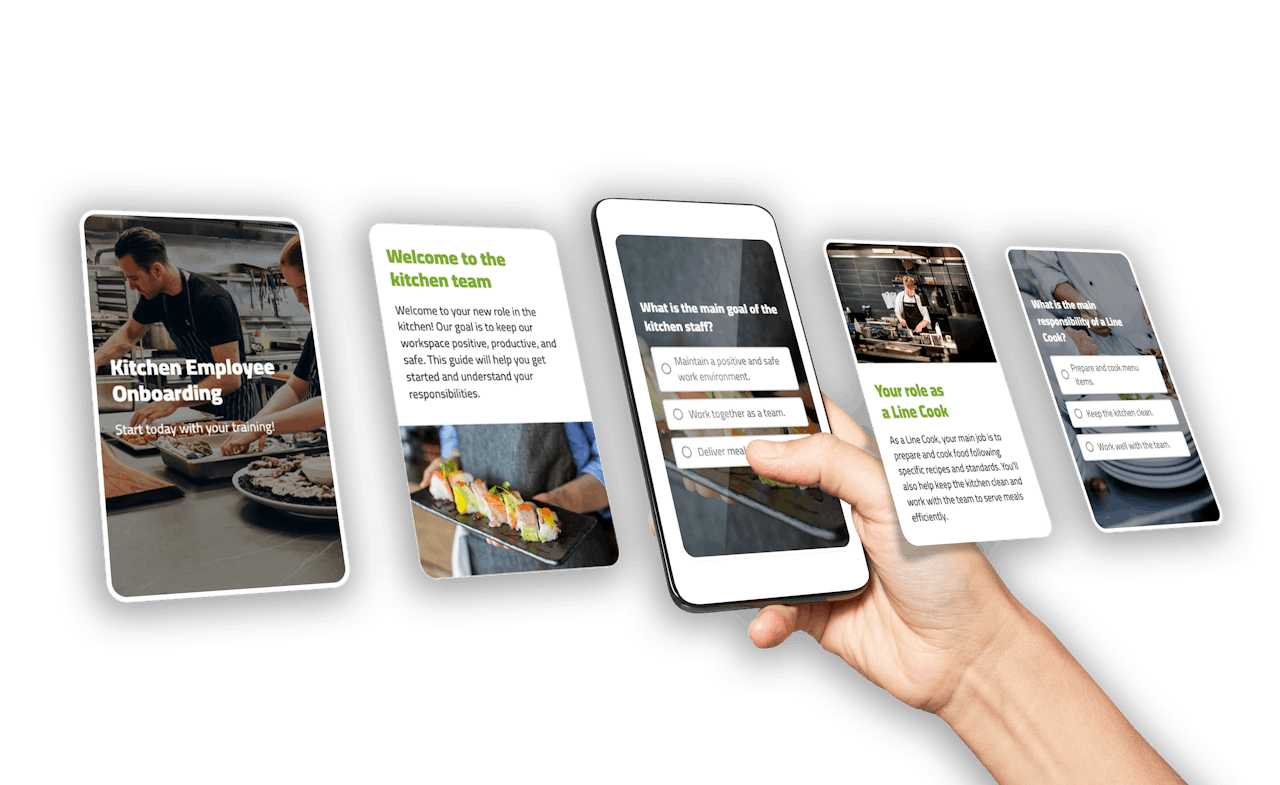
Clear. Practical. Reliable.
350+ companies trust Fellow Digitals
Empower your workforce with your modular learning solution
-
-
-

-

-
-
-
-
-
-
-
-
-
-

-
-
-
-
-
-
-
-
What drives performance from day one
Structured onboarding
Accelerate time-to-productivity
With structured, role-based onboarding paths, employees know exactly what to learn and when. Less repetition. Fewer questions. Faster ramp-up.

Onboarding across locations
Define central onboarding journeys while allowing local additions. Ensure the same quality, safety standards and expectations everywhere.

Engage and retain new employees
Combine structured training with communication and knowledge sharing. Let new hires ask questions, connect with colleagues and feel included.

Track onboarding and prove compliance
Monitor completion rates, knowledge checks and policy confirmations in real time. Stay audit-ready and identify gaps instantly.

Case: Marché International – Mobile-first onboarding in hospitality
“I was surprised how easily employees embraced mobile learning on their smartphones as part of our onboarding. Our onboarding process combines personal introduction supported by a mentor, digital welcome courses on hygiene, safety and company values, and regional welcome days that strengthen culture and connection across locations.”

Designed for frontline (and office) employees
Built for operational teams
Structured onboarding is especially valuable when:
Employees work across multiple locations
Teams operate in safety-sensitive environments
A large part of the workforce has no fixed desk
Standardization is required across regions
With the modular Fellow Digitals platform, every employee — whether on the work floor or in the office — can access onboarding via one simple environment, on desktop and mobile.
Onboarding works where work actually happens.
Turn onboarding into a clear, role-based journey
Structure from day one
Great onboarding aligns expectations, training and communication from the start.
With structured onboarding paths, you can:
Define onboarding journeys per role or location
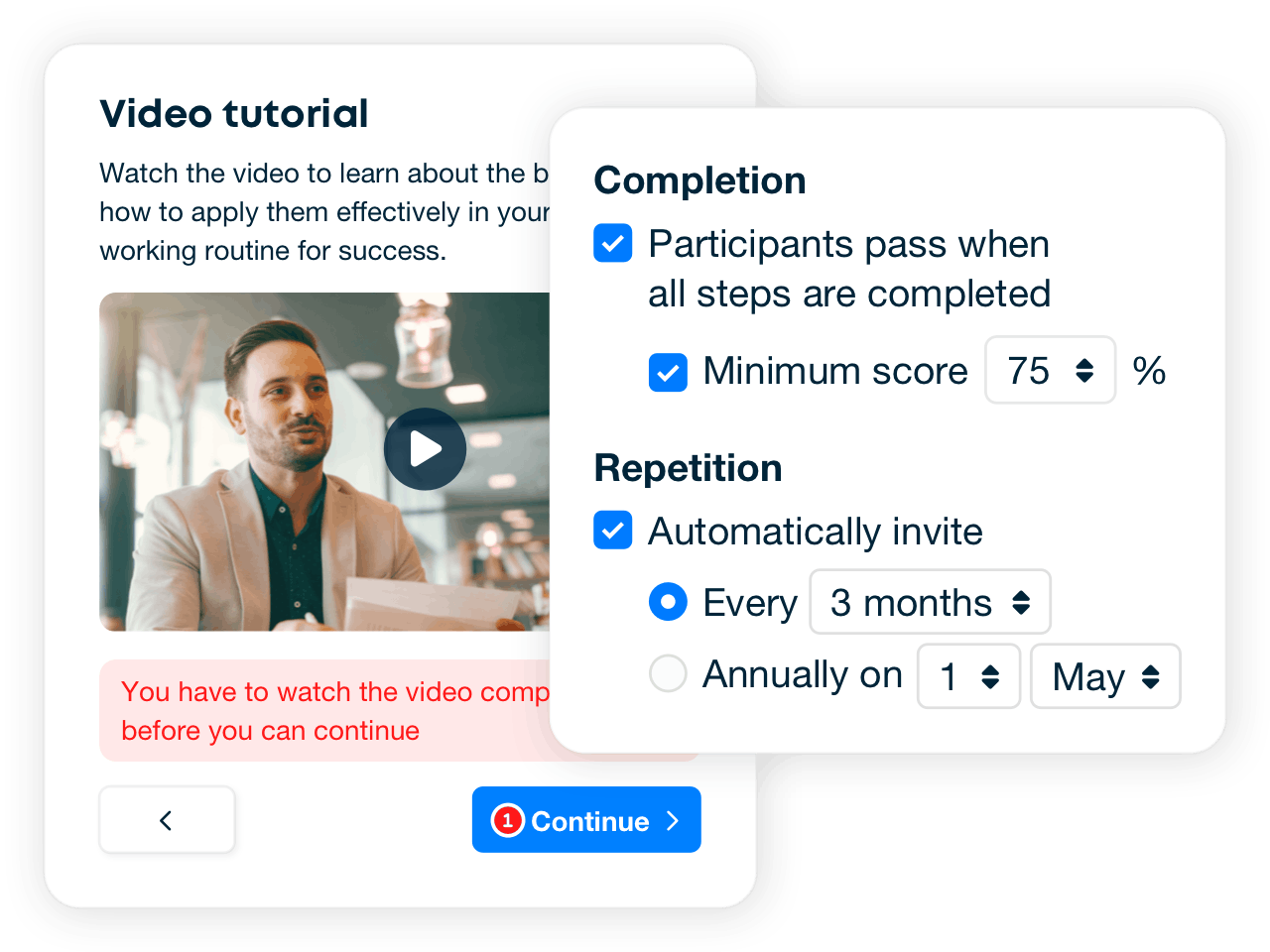
Combine policies, microlearning and practical tasks in one flow
Deliver training in the flow of work via mobile or intranet
Track progress in real time
No improvisation. No fragmentation. Just clarity.

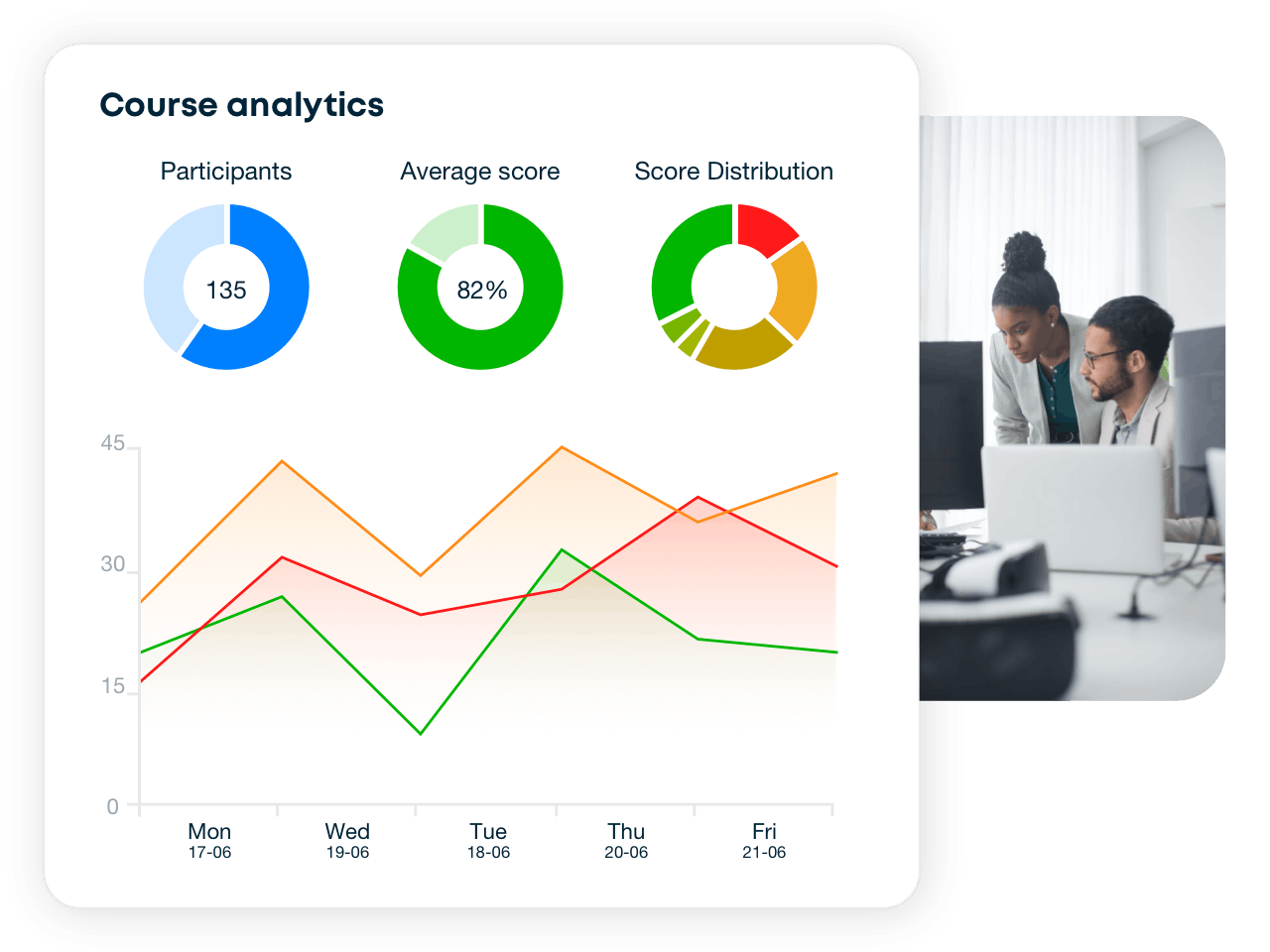
Track progress and prove completion
Measurable and audit-ready
Onboarding should not depend on assumptions.
With Fellow LMS and our AI course generator you:
Monitor completion rates per role or location
Track knowledge checks and engagement
Document policy confirmations
Identify gaps instantly
From static documents to structured, trackable onboarding — with full visibility and control.
Onboarding that delivers business impact
Proven results
Organizations using structured digital onboarding report:
Faster ramp-up times
Better compliance tracking
Higher employee engagement
Lower early turnover
Structured onboarding reduces friction, increases consistency and strengthens performance from day one.
The right combination for structured onboarding
Better together
Onboarding works best when structure, communication and visibility come together.
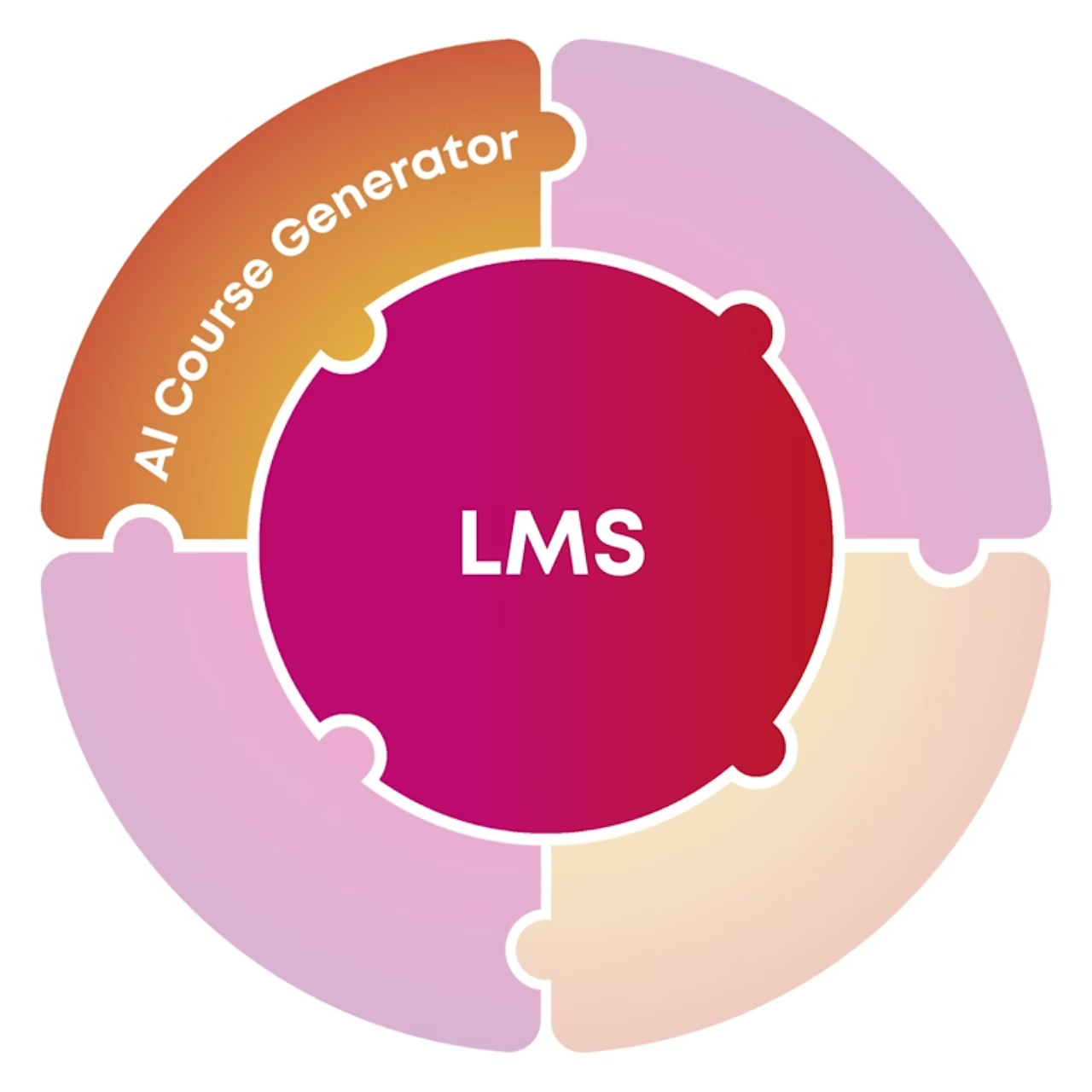
With the modular Fellow Digitals platform, you combine Fellow LMS, the AI Course Generator, and your intranet and community in one integrated environment.
Turn existing documents into onboarding modules in minutes. Assign role-based learning across locations. Engage new hires and track progress in real time.
Create. Connect. Measure.
In short
The modular Fellow Digitals platform helps organizations structure onboarding from day one, deliver it to frontline and office teams instantly, track progress in real time, and ensure consistent experiences across locations — all in one integrated environment.

Ready to improve your onboarding? Give every new hire a confident start!
Reduce onboarding time · Engage new hires · Track progress with confidence
Frequently asked questions
What is a structured onboarding process?
A structured onboarding process defines clear role-based learning paths, responsibilities and measurable milestones.
Instead of relying on informal, manager-led introductions, onboarding becomes a defined journey. Employees know what to complete, managers know what to monitor, and HR gains visibility into progress.
How long should employee onboarding take?
The duration depends on role complexity, but onboarding should focus on time-to-productivity rather than time spent.
For many operational roles, organizations aim for a 30–90 day structured onboarding period with clear performance milestones.
The key question is not “How long does onboarding last?” but “When is the employee fully productive?”
What is time-to-productivity in onboarding?
Time-to-productivity measures how quickly a new employee reaches baseline performance.
It improves when onboarding includes:
Clear expectations
Role-specific training
Accessible documentation
Regular progress tracking
Structured digital onboarding helps reduce uncertainty and repetition, shortening ramp-up time without lowering standards.
Why does onboarding often fail in multi-location organizations?
Onboarding often breaks down due to fragmentation:
Training materials stored across multiple systems
No standardized role-based structure
Different managers defining onboarding differently
Lack of visibility into completion
Centralizing onboarding structure and reporting reduces inconsistency across regions.
How can we standardize onboarding across locations?
Standardization starts with central definition.
In a platform like Fellow LMS, HR can create role-based onboarding paths that apply company-wide. Local teams can add region-specific modules without changing core requirements.
This balances consistency with flexibility.
How can AI help improve onboarding?
AI can significantly reduce onboarding preparation time.
With the Fellow Digitals AI Course Generator, organizations can:
Upload existing PDFs, manuals or presentations
Automatically generate structured learning modules
Add knowledge checks and summaries
Publish content directly into onboarding paths
This accelerates content creation while maintaining structure and quality.
How do we create onboarding training quickly?
Many organizations already have onboarding materials but they are simply unstructured.
Using tools such as our AI Course Generator, existing documents can be converted into microlearning modules. These modules can then be assigned inside a structured onboarding path within Fellow LMS.
This reduces manual course building and speeds up rollout.
How do we track onboarding progress and compliance?
Effective onboarding requires measurable completion.
A digital LMS platform enables tracking of:
Completion rates per role
Time-to-completion
Quiz results
Policy read confirmations
Audit-ready documentation
Real-time dashboards replace spreadsheets and manual follow-ups.
How do we onboard frontline employees without company email?
Frontline teams often lack access to desktop systems.
Modern onboarding platforms support secure access via desktop and mobile devices, allowing employees without company email addresses to participate fully.
This ensures inclusion across work floor and office teams.
How do we keep onboarding content up to date?
Onboarding content should be centrally maintained.
When procedures change, content can be updated once and automatically reflected in assigned onboarding paths.
AI tools can help convert updated policies into structured learning modules quickly, reducing administrative workload.
Can onboarding start before an employee’s first day?
Yes.
Preboarding (sharing essential training and information before day one) helps employees feel prepared and engaged.
Digital onboarding platforms allow secure early access to selected onboarding modules, accelerating first-day productivity.
What are the benefits of digital onboarding compared to manual onboarding?
Digital onboarding provides:
Consistency across teams and locations
Measurable progress tracking
Reduced manager workload
Faster time-to-productivity
Documented compliance
Manual onboarding often depends on individual managers and informal processes, which increases variability and risk.
-

-
-

-
-
-
-
-
-
-
-
-
-
-
-
-
-
-
-
-
-
-
-
-
-
-
-
-
-
-

-
-
-
-
-
-
-
-
-
-
-
-
-
-
-
-
-
-
Make onboarding simple with Fellow LMS
Privacy-first • Bite-sized learning • Easy to apply